Does aluminum rust, or does it only corrode over time?
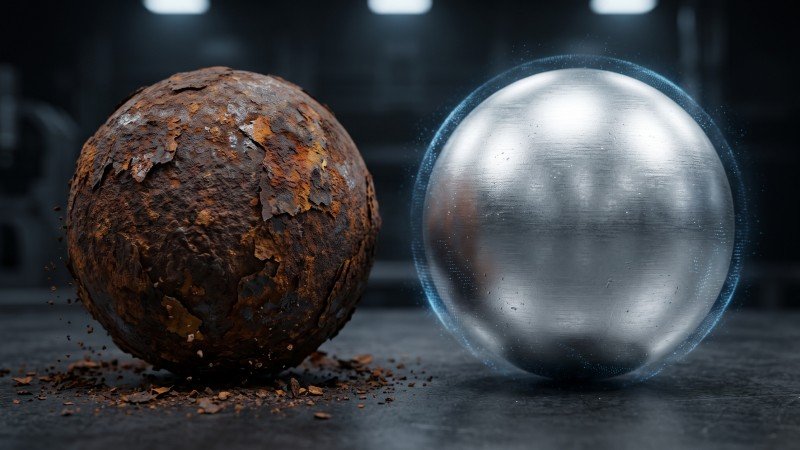
Aluminum does not rust because it contains no iron; however, it does undergo corrosion. When exposed to the elements, aluminum automatically forms a microscopic, hard aluminum oxide layer that protects it from deep degradation, though specific environmental factors like dissimilar metals, chlorides, and high acidity can break this shield down and cause structural decay.
The Natural Defense Mechanism of Aluminum
How does aluminum naturally defend itself against rust and environmental degradation?
Unlike steel, aluminum possesses a built-in defense mechanism called passivation. The moment raw aluminum touches oxygen, a chemical reaction creates a microscopic, hardened shell of aluminum oxide. This dense barrier firmly attaches to the surface, sealing the inner metal away from moisture and preventing the flaking and crumbling associated with traditional rust.
Formation of the Aluminum Oxide Layer
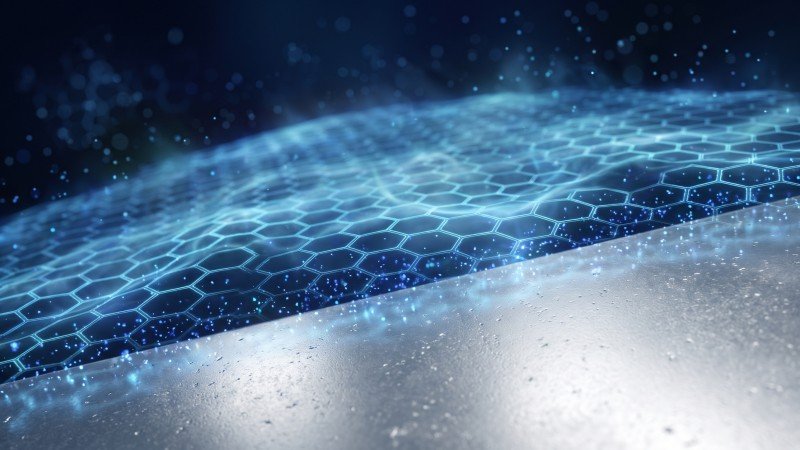
The creation of this protective shield happens almost instantly. When bare aluminum is exposed to the atmosphere, it reacts with oxygen in a matter of milliseconds. Consequently, you rarely ever see raw, unoxidized aluminum in daily life.
This natural oxide layer is incredibly thin. In fact, it typically measures only 2 to 4 nanometers thick. However, despite being microscopic, this layer is exceptionally hard. It shares a similar chemical structure to sapphire. Therefore, it provides a highly durable physical barrier against further chemical reactions.
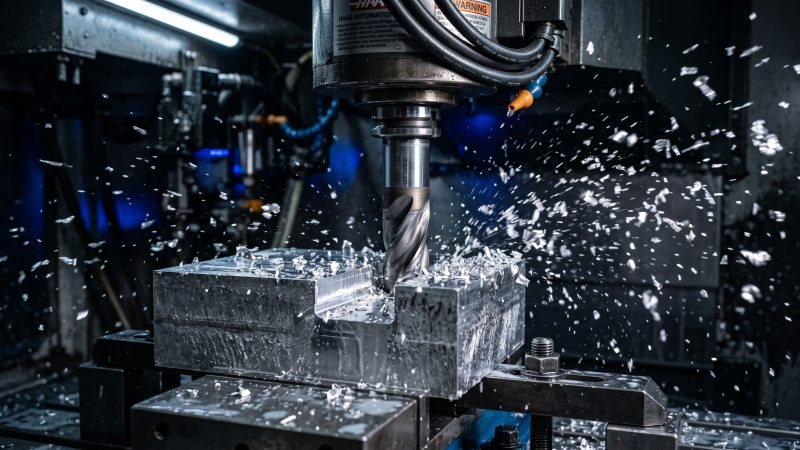
To better understand this, consider how Titanium Aluminum Nitride (TiAlN) coated end mills operate. During high-speed CNC machining, the intense cutting heat generates a microscopic aluminum oxide layer on the tool’s surface. This oxide layer shields the underlying carbide tool from thermal degradation. Similarly, raw aluminum automatically forms this oxide shield to protect itself from the atmosphere.
Iron Oxide vs. Aluminum Oxide
Why does iron degrade while aluminum survives? The difference lies entirely in the structural properties of their respective oxides.
| Feature | Iron Oxide (Rust) | Aluminum Oxide (The Shield) |
|---|---|---|
| Surface Adhesion | Poor. It easily flakes and falls off. | Excellent. It bonds on a molecular level. |
| Volume Change | Expands, causing the metal to crack. | Remains stable, matching the metal’s surface. |
| Moisture Resistance | Absorbs moisture, speeding up decay. | Repels moisture, stopping further oxidation. |
How the Oxide Shield Resists Outdoor Elements
Once formed, this aluminum oxide layer provides excellent protection against basic outdoor conditions. Furthermore, it is chemically inert in neutral environments. This means standard weather patterns cannot easily break it down.
Does standard rain wash the protection away? No. Aluminum oxide is practically insoluble in pure water and normal rainwater. As a result, general precipitation simply runs off the surface without dissolving the barrier.
Additionally, this natural shield excels in standard outdoor applications due to three specific traits:
- Thermal stability: Daily temperature fluctuations from sunlight do not cause the oxide layer to crack or peel away from the base metal.
- Wind and dust resistance: The high hardness of the oxide shell resists mild abrasion from wind-blown dust and debris.
- Rapid self-healing: If an abrasive force scratches the surface and exposes raw metal, the aluminum simply reacts with the surrounding air again. Consequently, the protective layer instantly repairs itself.
Because of this constant, self-renewing barrier, aluminum can survive indefinitely in clean, standard outdoor environments without suffering deep structural damage.
Primary Causes of Aluminum Corrosion
What chemical mechanisms can bypass aluminum’s defenses and trigger active corrosion?
Aluminum corrodes when chemical or electrical reactions successfully bypass and destroy its natural oxide shield. The primary causes include galvanic corrosion from direct contact with dissimilar metals, localized pitting corrosion triggered by aggressive chloride ions, and crevice corrosion that develops in tight, oxygen-starved spaces.
Galvanic Corrosion from Contact with Dissimilar Metals
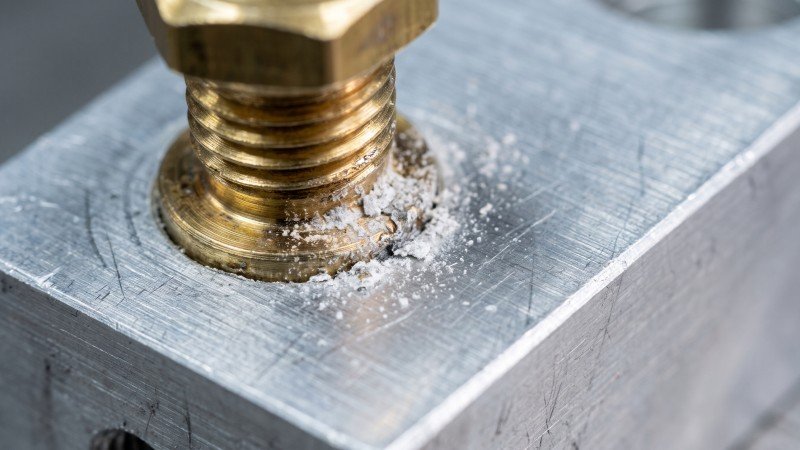
What happens when two different metals touch each other? They can essentially act like a battery. This process is called galvanic corrosion.
For this degradation to happen, you need three specific conditions. First, you need two chemically different metals. Second, they must physically touch. Third, an electrically conductive liquid, called an electrolyte, must connect them.
Aluminum is considered a highly active metal. In contrast, metals like copper or stainless steel are passive, or “noble.” When aluminum touches a noble metal in the presence of an electrolyte, electrons flow away from the aluminum. Consequently, the aluminum gets eaten away while the noble metal remains completely safe.
Let’s look at a common machining setup mistake. Imagine clamping an aluminum workpiece directly to a bare steel CNC machine table using copper or brass fixture clamps. If water-based coolant pools around these contact points, the aluminum workpiece will rapidly corrode exactly where it touches the dissimilar metals.
| Metal Combination | Corrosion Risk for Aluminum | Reason for Reaction |
|---|---|---|
| Aluminum + Zinc | Low | Both metals have very similar electrical potentials. |
| Aluminum + Stainless Steel | Medium to High | Stainless steel is significantly more noble. |
| Aluminum + Copper | Severe | Massive electrical potential difference causes rapid decay. |
Pitting Corrosion Triggered by Chloride Exposure
Sometimes, corrosion does not cover the entire surface evenly. Instead, it attacks tiny, specific spots. We call this pitting corrosion.
How does this happen? The main chemical culprits are chloride ions. When chlorides land on an aluminum surface, they aggressively attack the protective oxide layer. They chemically react with the barrier and dissolve it in very localized spots.
Once the barrier breaks, a tiny pit forms in the raw metal underneath. The chemistry inside this microscopic pit quickly changes. The liquid inside becomes highly acidic. Therefore, the corrosion speeds up rapidly, drilling downward into the metal.
This type of damage is exceptionally dangerous. The metal surface might look completely fine overall. However, deep pits can drastically reduce the structural strength of an aluminum part. For example, in precision-machined aluminum aerospace components or custom pneumatic manifolds, a deep, hidden pit can easily compromise the pressure seal or cause a critical structural failure.
Crevice Corrosion in Confined Areas Without Oxygen
Aluminum constantly relies on oxygen to heal its protective shell. So, what happens when it cannot get any fresh air? Crevice corrosion occurs.
This type of decay happens exclusively in tight, confined spaces. Common locations include the tiny gaps under bolt heads, beneath rubber gaskets, or between two overlapping metal plates.
When a liquid seeps into these tight gaps, a damaging chemical chain reaction starts. First, the small amount of trapped oxygen is quickly used up by the metal. Because no fresh air can enter the tight gap, the aluminum cannot repair its oxide shield.
Next, the trapped moisture becomes heavily acidic. As a result, this acidic trapped water rapidly eats away at the unprotected aluminum.
Consider a CNC machine shop storing raw aluminum plates. If moisture from ambient humidity or coolant mist gets trapped between two tightly stacked plates, the lack of airflow will cause rapid crevice corrosion right in the middle of the stack.
Specific Outdoor Environmental Triggers
Which severe outdoor elements pose the greatest threat to exposed aluminum components?
Aluminum degrades outdoors when exposed to severe atmospheric stressors that overwhelm its protective oxide layer. The most aggressive environmental triggers include constant high humidity, prolonged exposure to coastal saltwater or winter road salts, and chemical reactions with industrial pollution and acid rain.
Atmospheric Degradation from High Humidity and Weather
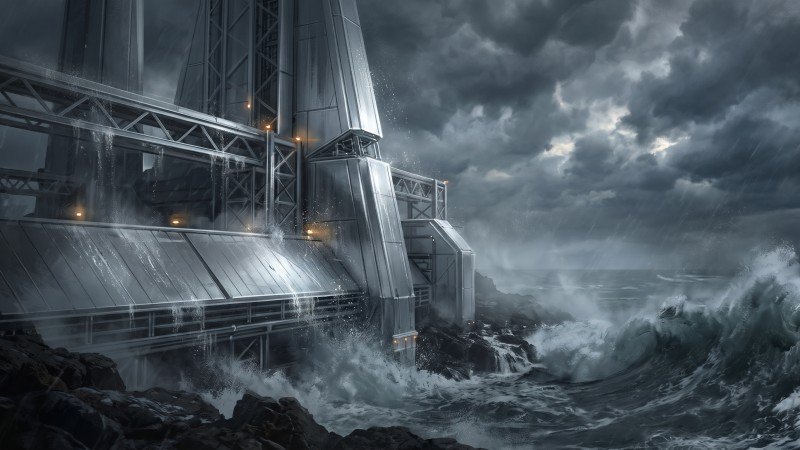
Aluminum handles normal weather very well. However, constant high humidity creates a unique problem. When humidity stays high, microscopic water droplets constantly coat the metal. Furthermore, this trapped moisture mixes with common airborne dust.
Consequently, this mixture creates a very weak, slow-acting electrolyte on the surface. Over many years, this constant wetness dulls the shiny surface. The metal turns a chalky gray color. Engineers call this surface weathering.
Think of a freshly machined aluminum part left sitting in a heavily damp, unventilated machine shop. Even without active corrosive chemicals, the constant dampness eventually degrades the smooth, shiny machined finish. The same slow weathering happens to aluminum outdoors.
Prolonged Exposure to Coastal Saltwater and Winter Road Salts
Salt is arguably the worst outdoor enemy of aluminum. Coastal regions constantly blow microscopic saltwater spray into the air. Similarly, winter maintenance crews cover icy roads with heavy de-icing salts.
Both situations coat outdoor aluminum in aggressive chloride compounds. As a result, these salts aggressively eat through the metal’s natural defense shield. Therefore, raw aluminum components used in marine environments or on vehicle undercarriages require special protective coatings to survive.
Here is a comparison of how different outdoor zones affect aluminum lifespan:
| Exposure Environment | Primary Threat Source | Expected Surface Degradation Rate |
|---|---|---|
| Dry Inland Area | Standard weather | Very slow. Metal stays stable for decades. |
| Heavy Winter Roads | De-icing chloride salts | Fast. Slush and salt actively strip the surface. |
| Coastal Marine Zone | Airborne seawater spray | Extremely fast. Salt forces rapid, aggressive decay. |
Interactions with Industrial Pollution and Acid Rain
Heavy industrial zones create highly toxic outdoor environments. Factories and power plants often release sulfur dioxide and nitrogen oxides into the air. Eventually, these gases mix with natural clouds. This dangerous reaction produces acid rain.
Aluminum heavily relies on a neutral environment to stay safe. Specifically, its protective layer stays stable at a pH level between 4.0 and 8.5. Unfortunately, acid rain often falls well below a pH of 4.0.
When highly acidic rain hits aluminum, it chemically dissolves the protective shield. Furthermore, it dissolves this layer evenly across the entire metal surface. Therefore, the metal slowly becomes thinner and weaker over time. This uniform decay is a major structural concern for bare aluminum exposed in heavy industrial or chemical processing environments.
Conclusion
Aluminum is a highly resilient material that naturally resists the destructive flaking known as rust. By understanding how its built-in protective oxide layer works—and precisely what environmental factors or chemical reactions can break it down—you can effectively prevent corrosion and extend the structural lifespan of your machined components.